
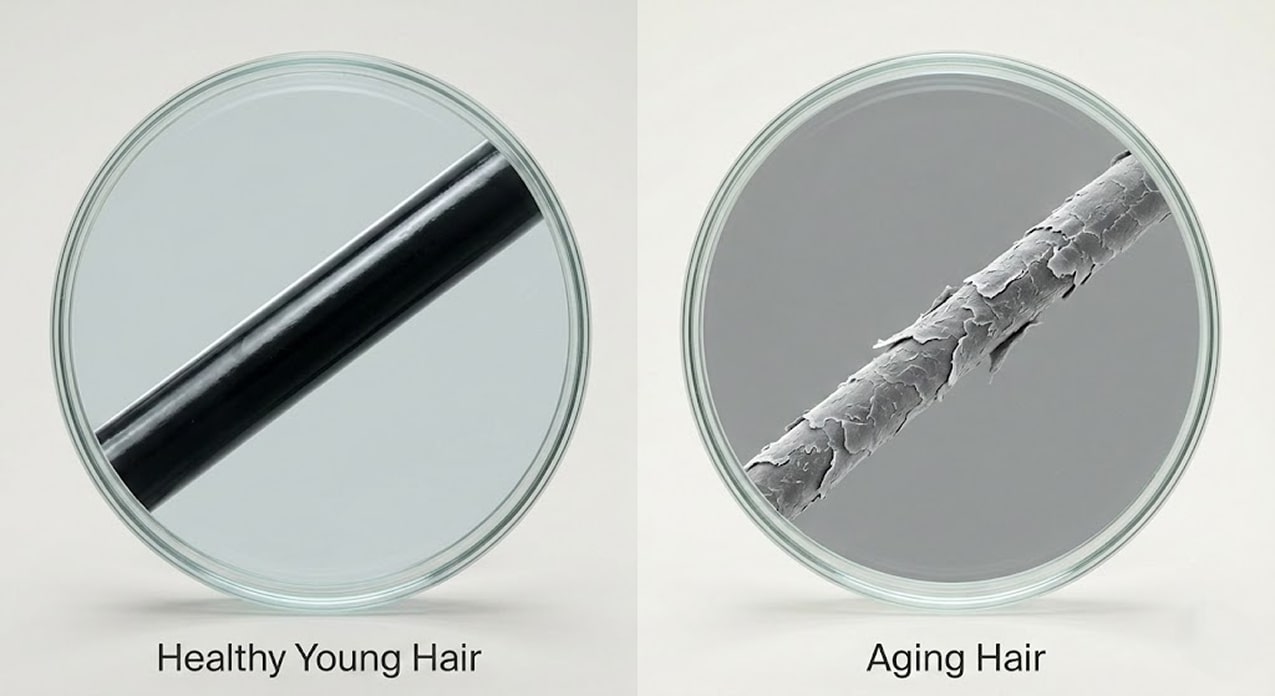
As a facility manager or nurse, you see it every day: hair changes are part of aging—and they’re rarely “just cosmetic.” Medications, hormonal shifts, hydration levels, and changes in scalp health can transform a resident’s hair texture over time. One month it’s fine and delicate; the next it’s coarse, wiry, or unusually dry. And when residents don’t feel like themselves, it shows up in their confidence, mood, and willingness to engage.
This is exactly why standard barbering and “quick trims” often fall short in residential care. Traditional haircutting methods are usually designed for predictable hair behavior—healthy density, consistent growth patterns, and a scalp that tolerates faster, firmer handling. But senior hair isn’t predictable. It requires a gentler approach, better consultation, and styling decisions that account for comfort, dignity, and longer-lasting shape.
What Texture Changes Look Like in Aged Care
Texture changes can be subtle at first. A resident who always had thick hair may suddenly experience thinning at the crown. Another resident’s soft hair may become coarse and frizzy, especially if they’ve gone grey and their scalp produces less natural oil. These shifts don’t just affect appearance—they affect manageability.
In care settings, manageability matters. When hair tangles easily, mats at the nape, or becomes difficult to wash and dry, it increases discomfort for the resident and increases workload for staff. A “fast haircut” may solve the immediate length problem, but it often creates new issues—like uneven growth, scalp exposure, or a style that collapses within days.
Why a “Quick Trim” Can Create Bigger Problems
A standard quick trim tends to focus on speed: take off length, clean up the neckline, move on. But when hair texture has changed, speed can come at the cost of suitability. Here are three common outcomes facilities see when haircuts aren’t tailored to aging hair:
1) Poor grow-out (messy within a week)
When thinning hair is cut without shape strategy (layer placement, weight distribution, and face-framing), it can look “finished” for a day—then quickly lose structure. Residents may feel self-conscious when their hair looks untidy soon after an appointment, which defeats the purpose of grooming as a wellbeing support.
2) Scalp visibility and confidence loss
Incorrect cutting techniques on thinning hair can expose the scalp—especially at the crown and part line. That visibility can be distressing for residents, particularly those who already feel vulnerable due to health changes. The goal is never just to cut hair; it’s to help residents feel polished and seen.
3) Comfort issues for sensitive scalps
Aging skin can be more delicate and sensitive. Rough combing, tight tension, or rushed brushing can cause discomfort and lead to residents avoiding future grooming. The result? More tangling, more matting, and more frustration for everyone involved.
The Facility Impact: It’s Not Only a Beauty Issue
Haircare in aged care is often treated as a “lifestyle extra,” but it influences real operational outcomes:
- Resident wellbeing and engagement: When residents feel groomed, they often feel more like themselves—more social, more confident, and more willing to participate in activities.
- Family satisfaction: Families notice details. Consistent grooming supports the feeling that residents are truly being cared for, not just medically managed.
- Staff workload: When styles don’t hold shape, staff spend more time trying to “fix” hair between appointments.
That’s why facilities increasingly look for reliable, professional, on-site styling programs rather than ad-hoc cuts.
The ResidentStylist Difference: Built for Care Communities
ResidentStylist partners with senior living and care communities to provide licensed, insured, and background-checked stylists who deliver professional grooming services right where residents live.
What makes that difference meaningful for facilities?
Seamless scheduling that respects your routines
ResidentStylist is designed to reduce the back-and-forth that can drain time—helping eliminate the stress of scheduling conflicts, cancellations, and payroll complexity so your team can focus on care.
Organized appointment blocks for smoother operations
Visits are structured in two-hour appointment blocks, helping facilities plan around medication rounds, meal times, and activity schedules.
Hygiene, safety, and training for senior care settings
ResidentStylist emphasizes high standards of hygiene, safety, and service quality, with professionals trained for senior and assisted living environments.
A care-first approach that protects dignity
ResidentStylist’s message is simple: personal care is part of total care—because when residents look their best, they often feel their best too.
What This Means for Your Residents (and Your Team)
When haircutting is tailored to texture changes, you get results that last longer and feel better:
- Thinning hair can be shaped to create the appearance of fullness
- Coarse grey hair can be softened with appropriate length and layering
- Styles can be chosen for wash-and-wear practicality (especially for residents with limited mobility)
- Residents experience grooming as a comforting, confidence-building routine, not a rushed task
Upgrade Your Grooming Standard
If your facility is still relying on quick trims or inconsistent providers, you’re not alone—many communities struggle with reliability and resident access. ResidentStylist was created because care communities wanted dependable grooming without the logistical headaches.
Call to Action:
Upgrade your grooming services. Aged care facilities can book professional hairstylists now via www.residentstylist.com.
Prefer to reach out directly? Phone +1 (623) 337-3332 or email hello@residentstylist.com.